Europe’s winter weather varies. Think snow and subzero temperatures in the north and east, and cool, rainy days in the south (e.g., Italy, Spain, Greece). The key is layering and packing smart so you’re warm outdoors but comfortable indoors. This is how you enjoy your trip. Lets’ call this the “Europe’s winter travel checklist”
Clothing Essentials (how to dress for European winter)
- Base Layers (Thermal Wear)
2–3 sets of long-sleeve tops and leggings
Materials: wool or synthetic blends (avoid cotton — it traps moisture) - Mid Layers
2–3 sweaters (wool or fleece)
1 lightweight hoodie or pullover for casual wear - Outerwear
1 waterproof, windproof winter jacket (preferably insulated)
Optional: packable down jacket (for layering or lighter days) - Bottoms
2 pairs of jeans or thermal-lined pants
something more special for evenings out - Footwear
Waterproof walking boots (grippy soles for snow/ice)
Comfortable sneakers or loafers (for indoors/travel days)
Warm socks (wool or thermal; 4–5 pairs) - Accessories
Warm hat/beanie
Scarf (wool or fleece)
Leather gloves or mittens
Thermal socks or leg warmers
Ear muffs (optional but useful in windy areas) - Underwear & Sleepwear
5–7 pairs of underwear
2–3 bras (sports & regular)
2 pairs of warm pajamas or loungewear
Toiletries & Health
-Moisturizer & lip balm (cold air = dry skin!)
-Travel-size shampoo, conditioner, and soap
-Sunscreen (snow glare can still cause sunburn!)
-Medications (bring enough for your entire trip)
-Small first aid kit (pain relievers, bandages, etc.)
Electronics & Travel Gear
-Universal power adapter (Europe uses 220V, Type C/E/F plugs)
-Power bank
-Camera or smartphone with good night mode
-Lightweight laptop or tablet (if needed for entertainment, or working remotely)
-Noise-cancelling headphones (for flights & trains)
Other Travel Essentials
-Travel umbrella (for rain or snow)
-Reusable water bottle (saves money & plastic)
-Daypack / anti-theft bag (for daily sightseeing)
-Travel documents: passport, ID, travel insurance, visa, itinerary copies
-Packing cubes (help separate clean/dirty clothes)
Other Useful Information for Winter Travel in Europe. Weather & Climate Overview
Northern & Eastern Europe (e.g., Scandinavia, Poland, Germany):
Expect snow, icy roads, and temperatures from -10°C to +5°C (14°F to 41°F).
Central Europe (e.g., Austria, Czech Republic, Hungary):
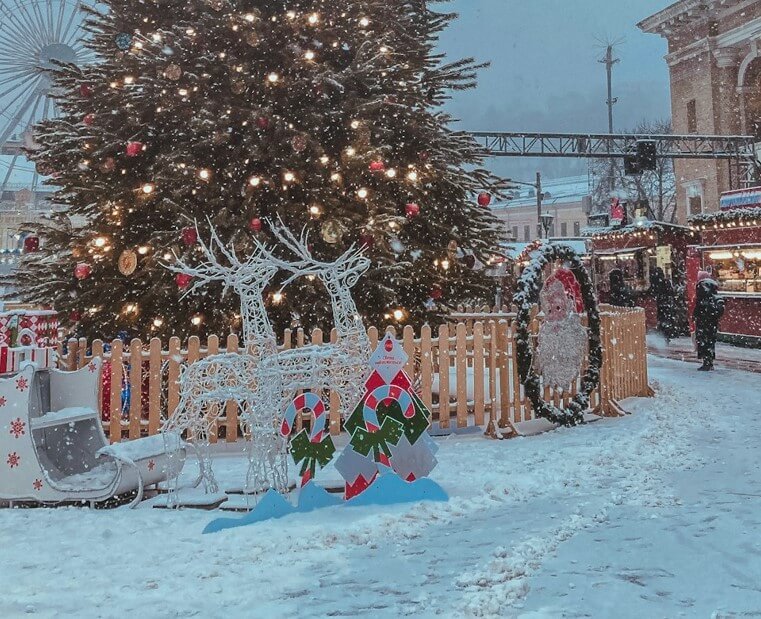
Often below freezing; cities like Prague or Vienna get magical winter markets.
Southern Europe (e.g., Italy, Spain, Portugal, Greece):
Milder but wet — around 5°C to 15°C (41°F to 59°F); pack a raincoat.
Transport Tips
Trains are generally reliable, but check for strikes or delays.
Low-cost flights are common, but baggage fees add up, so pack light.
Snow or ice can affect road travel. If renting a car, ensure it has winter tires.
Accommodation Tips
Many European hotels or Airbnbs are well-heated, but some older buildings might not be, so pack a warm sleep layer just in case.
If traveling during Christmas or New Year, book early; winter markets and ski resorts fill up fast.
Budgeting & Money
Winter is usually off-season in many cities, this means cheaper flights & hotels.
Exceptions: ski resorts (Switzerland, Austria, France) and Christmas market destinations (Germany, Prague, Vienna).
Always carry a mix of cash and cards. Not all small shops take cards in some areas.
Smart Travel Tips
Layer smartly — it’s cold outside, but indoor heating can be intense.
Dry shoes overnight using newspaper inside (if they get wet, newspaper absorbs moisture).
Keep valuables close (pickpocketing happens even in winter).
Learn local greetings, it helps sometimes.
Download offline maps.
Bonus: Special Winter Activities
Visit Christmas Markets (Germany, Austria, Czech Republic)
Try Northern Lights tours (Norway, Finland, Iceland)
Enjoy skiing or snowboarding (Alps, Dolomites, Carpathians)
Go thermal bathing (Budapest, Iceland, Switzerland)
Explore museums & cozy cafés on rainy days
Remember:
- It is not too cold to visit Europe in winter, and many parts of Europe stay milder than you’d expect.
- Some tourist attractions / museums reduce hours or close for a low season. Check schedules in advance, especially around holidays.
- There could be slippery sidewalks, but use good footwear and be cautious on icy surfaces.